
Why Tabletop Exercises are Needed for Emergency Preparedness
By Kara Stamets, Sr. Content Marketing Specialist, Alertus Technologies
Has your organization experienced delays in distributing critical notifications? Have messages been sent to unintended groups? What about your safety personnel – is everyone aware of their roles? Time is of the essence in an emergency, and safety teams must be prepared to notify within seconds, and with peace of mind that their mass notification system and emergency processes work together seamlessly.

By conducting tabletop exercises–informal, practical meetings to analyze emergency scenarios–key safety personnel can collaborate to address gaps in communication, identify roles and responsibilities, analyze processes, and determine how to enhance emergency response.
How to get started:
Identify and discuss specific emergency scenarios
All organizations face unique challenges. During the tabletop exercise, personnel should pinpoint and address the specific threats its organization faces. For example:
The industrial and manufacturing industry faces equipment failures and accidents, chemical exposures, and operational interruptions.
Healthcare facilities face violence, workforce shortages, and staffing issues.
Government facilities operate in secure environments that may limit communication.
Educational institutions face campus violence and natural disasters.
Next, practice running through the scenarios by using realistic emergencies.
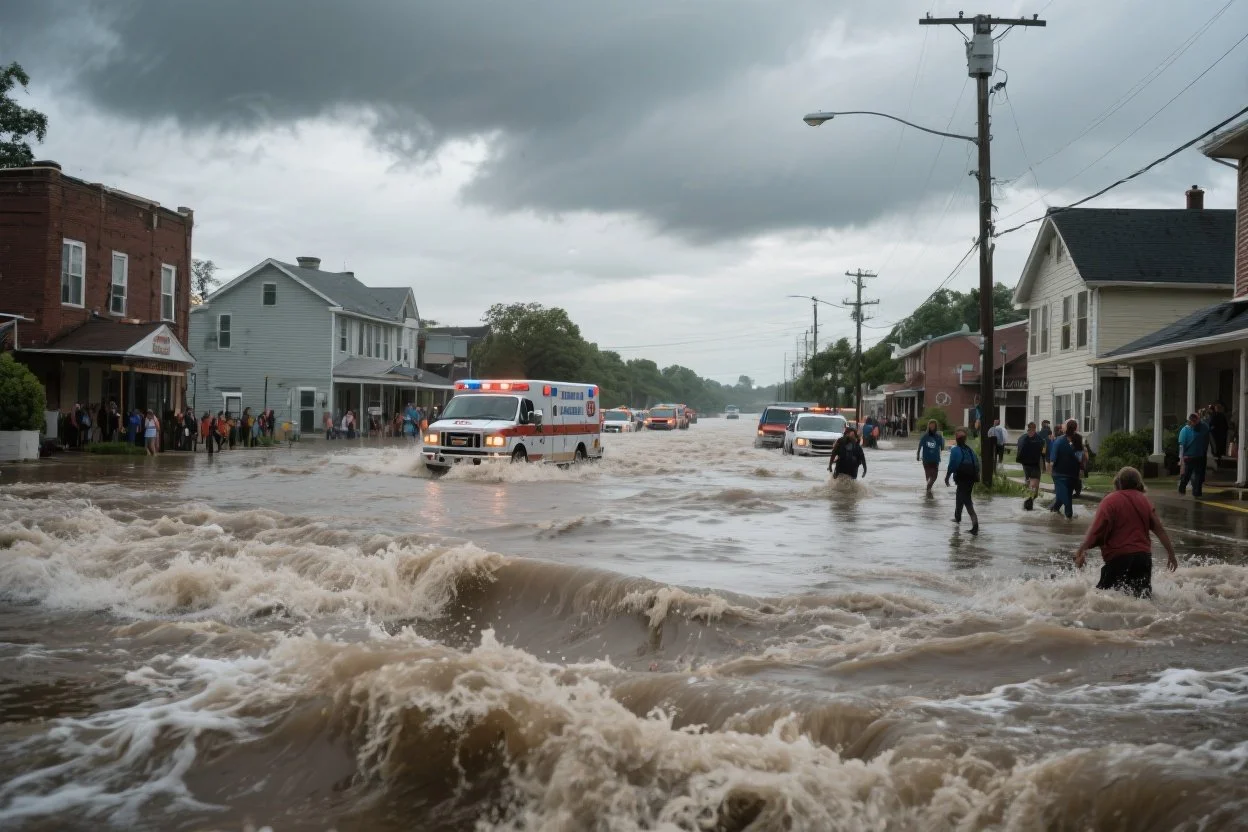
Scenario I: Severe flash flooding is threatening a large municipality with hazardous conditions, including power outages and potential road closures. Local authorities have issued a flood warning. Now, safety teams within the municipality must put their emergency response plan into action and issue internal and external communication within seconds. The team must address:
Who is going to activate the system?
What is going to be communicated internally and to the community?
What notification channels will be used? I.e. desktop notifications, SMS text, etc.
Who is responsible for following up once the event is all-clear?

Scenario II: A disgruntled visitor at a hospital is threatening front desk staff in the Emergency Room. In this instance, a panic button is available at the desk. Things to discuss:
Do our front desk staff feel empowered to press the panic button in an emergency?
Are pre-set panic buttons configured for quick response?
Have staff been trained on how to activate the system, and when to?
Should we invest in wearable devices, like duress badges and WiFi panic buttons, in case staff need to leave the desk area quickly?
Naming and running through various scenarios will help to identify any weaknesses or gaps in the emergency preparedness plan.
Identify flaws or gaps in communication
If gaps are identified, the team of key personnel will need to evaluate the effectiveness of their plan tied to a specific scenario. They can use this time to discuss areas for improvement and how to achieve it by asking questions like:
In an emergency, what are the immediate actions we must take?
Who on the team is responsible for distributing notifications?
Do we have back-up personnel if key decision makers are unavailable?
Do we have preset templates prepared?
What resources and solutions would improve our emergency response?
Questions eliciting a "no" or "unsure" response can be addressed during this time.
Ensure emergency response processes are coordinated and effective

The purpose of the exercise is to stimulate cross-collaboration in order to create a unified and effective emergency response. This includes working across departments within the organization, and consulting with local emergency officials. By running through scenarios, teams can turn insights into action items.
Further, by exploring new integrations and partnerships, organizations can continually improve their response capabilities and adapt to emerging risks. Holding regular tabletop exercises is a vital investment in organizational resilience and business continuity, and consistently ensures your team has the necessary training and tools to effectively manage an emergency situation.