
Understanding the Sarah Marsh Heaven’s 27 Camp Safety Act: What Alabama Camps Need to Know About Emergency Notification Requirements

In April 2026, Alabama Governor Kay Ivey signed the Sarah Marsh Heaven’s 27 Camp Safety Act into law, introducing new emergency preparedness and mass notification requirements for overnight camps across the state.
For many camps, safety preparedness is already a core operational priority. However, the new legislation establishes more formal expectations around emergency communication, severe weather response, and evacuation readiness, particularly for camps located in flood-prone or remote areas.
As camps prepare for the January 1, 2027 compliance deadline, organizations are beginning to evaluate whether their current emergency notification infrastructure can reliably support staff and campers during rapidly evolving emergencies.
What Is the Sarah Marsh Heaven’s 27 Camp Safety Act?
The Sarah Marsh Heaven’s 27 Camp Safety Act was introduced to strengthen emergency preparedness standards at overnight camps throughout Alabama.
The legislation focuses on several key areas, including:
Emergency communication capabilities
Severe weather preparedness
Flood response and evacuation planning
Audible alerting for indoor and outdoor environments
Operational readiness during infrastructure or connectivity disruptions
The law reflects a growing recognition that camps operate in highly dynamic environments where emergencies can escalate quickly and communication delays can place staff and campers at risk.
Why Emergency Communication Matters at Camps
Unlike traditional buildings or centralized facilities, camps often span large outdoor properties with cabins, dining halls, recreation areas, trails, waterfronts, and open spaces spread across significant distances.
This creates unique communication challenges during emergencies such as:
Severe thunderstorms
Tornado warnings
Flash flooding
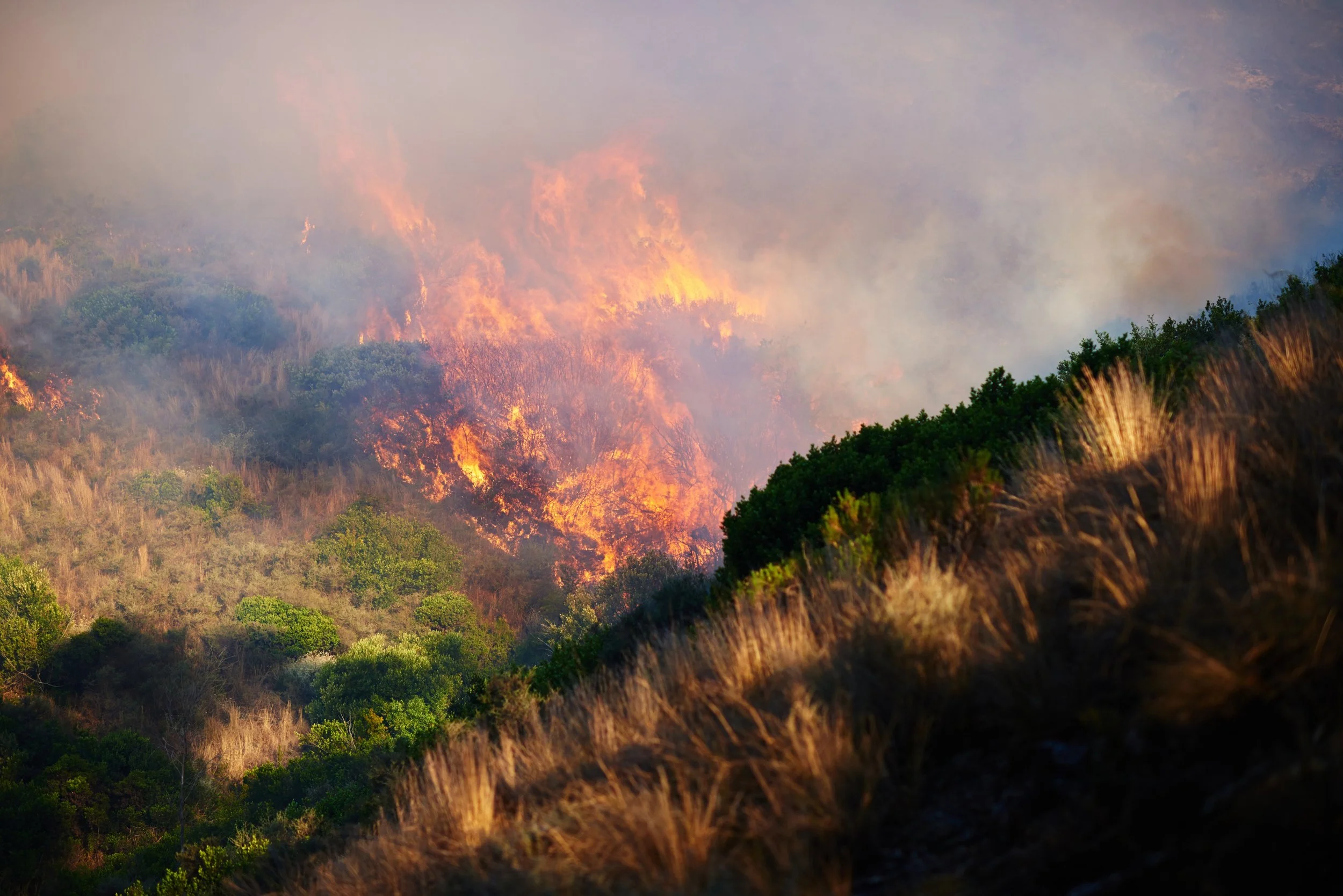
Wildfires
Missing persons incidents
Security threats
Evacuations
In many cases, internet connectivity may be inconsistent across campgrounds, especially in rural or wooded areas. During severe weather, cellular and WiFi infrastructure may also become unreliable precisely when rapid communication is most critical.
That is why modern emergency preparedness strategies increasingly rely on layered notification systems capable of delivering alerts across multiple modalities simultaneously.
Key Emergency Notification Requirements Camps Should Evaluate
While each camp’s infrastructure is different, there are several core areas organizations should assess as they prepare for compliance.
-
One of the most important aspects of the legislation is ensuring emergency alerts can reach people wherever they are located on camp property.
This includes:
Indoor cabins and dormitories
Dining facilities
Outdoor activity spaces
Athletic fields
Trails and waterfront areas
Outdoor speaker systems and indoor audible/visual notification devices can help ensure alerts are received quickly even during power or connectivity disruptions.
For example, organizations often deploy:
Indoor alert beacons with audible and visual messaging
High-power outdoor speaker arrays
Integrated desktop and mobile notifications
Multi-modal emergency communication platforms
The goal is to create a coordinated notification strategy that reduces confusion and improves response times during emergencies.
-
The legislation also places significant emphasis on flood safety and evacuation readiness.
Flash flooding and rapidly changing weather conditions can create dangerous situations for camps located near waterways, low-lying areas, or mountainous terrain.
Preparedness efforts should include:
Evaluating flood exposure risks
Identifying evacuation routes
Establishing communication escalation procedures
Conducting drills and preparedness exercises
Ensuring alerts can still be delivered if internet connectivity is interrupted
Emergency communication systems that can operate independently from traditional internet infrastructure may help camps maintain operational continuity during severe weather events.
-
One of the most common emergency communication gaps occurs when organizations rely too heavily on a single communication channel.
Text messaging alone may not be sufficient in fast-moving emergencies, particularly when:
Cell service becomes congested
Devices are silenced
Campers are outdoors
Younger campers do not have phones
Staff are dispersed across large properties
A layered emergency notification approach helps ensure messages are delivered through multiple channels at the same time, including:
Outdoor speakers
Indoor alert beacons
Mobile notifications
Desktop alerts
Visual signage
Integrated mass notification systems
This redundancy can significantly improve situational awareness and emergency response coordination.
Preparing for the January 1, 2027 Deadline

Although the January 1, 2027 deadline may seem distant, many camps are already beginning assessments due to the operational and infrastructure planning involved.
Preparation often includes:
Reviewing current emergency procedures
Evaluating existing notification systems
Identifying communication gaps
Planning hardware upgrades
Coordinating installation timelines
Budgeting for phased improvements
Conducting staff training and drills
For camps with sprawling outdoor environments or aging infrastructure, implementation may require additional planning time to ensure reliable coverage across the entire property.
Supporting Camps Through Emergency Preparedness Modernization
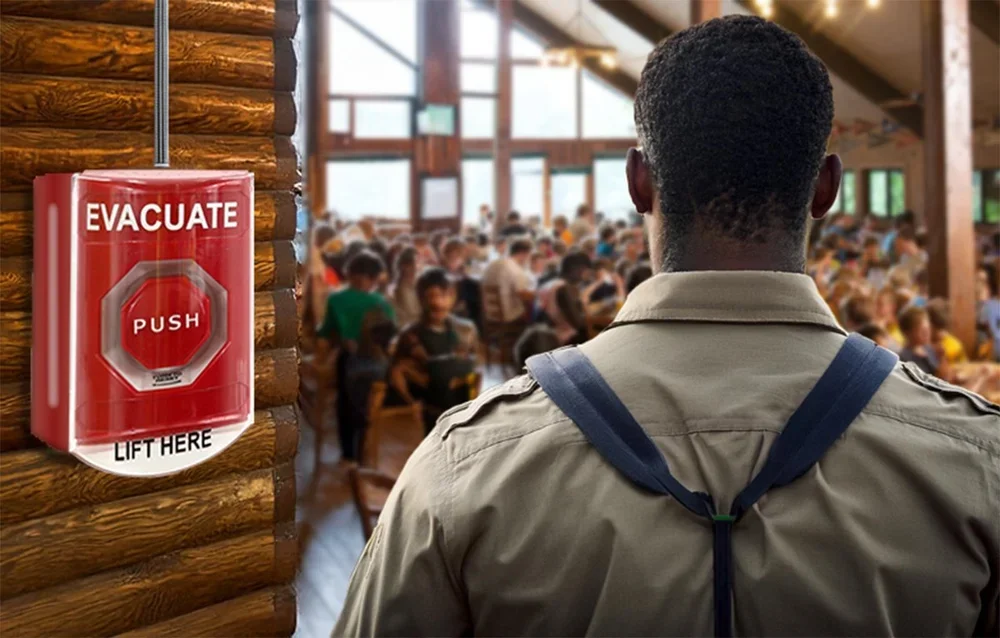
At Alertus, we work with organizations across education, healthcare, government, and enterprise environments to strengthen emergency communication and preparedness strategies.
That includes helping organizations:
Integrate with existing infrastructure
Improve indoor and outdoor alert coverage
Enhance severe weather communication
Modernize emergency notification workflows
Build layered communication strategies for operational resilience
Every camp environment is different, and preparedness planning should reflect the unique operational, geographic, and safety considerations of each property.
As Alabama camps work toward compliance with the Sarah Marsh Heaven’s 27 Camp Safety Act, early planning and infrastructure evaluation can help simplify implementation and strengthen overall emergency readiness.
Learn More About Emergency Notification Solutions for Camps
If your organization is evaluating emergency communication capabilities ahead of the January 1, 2027 deadline, Alertus can help assess your current environment and identify opportunities to strengthen preparedness.