
Is your Mobile Workforce Safe? 5 Steps to Securing Lone Healthcare Personnel
Kara Stamets, Sr. Content Marketing Specialist, Alertus Technologies

Escalating violence in healthcare is causing staff to suffer physical and emotional harm, eroding their feelings of safety in the workplace. This violence also negatively affects public perception, adds to financial burdens, and raises legal issues for healthcare systems. Lone-working healthcare employees, such as home health aides, nurses, and social workers in particular, face significant hazards while working in unsafe or unknown environments.
To protect lone-working staff, healthcare organizations must continuously evaluate and improve their safety protocols. Key initial steps should involve thoroughly assessing both the efficacy of their mass notification system and the depth of their emergency preparedness plan.
To get started, organizations should:
1. Commit to Compliance
The Occupational Safety and Health Administration (OSHA) establishes safety regulations for U.S. workplaces, which applies to all employees, no matter their work location. Following the death of a licensed practical nurse in Connecticut, OSHA fined one of the nation's largest home-based care providers for failing to implement adequate safety measures to protect their employees. Protecting healthcare staff who work alone is paramount for organizations to prevent tragic workplace incidents and they can foster a secure work environment by adhering to national standards.
2. Conduct TargetED Risk Assessments

Risk assessments specifically tailored to the unique challenges of lone workers must identify the potential hazards they face, including patient homes, remote clinics, and during transit. The analysis should cover:
Environmental Risks: Assess the physical location's safety, including lighting, access/exit points, and potential dangers.
Patient-Related Risks: Evaluate patient aggression history and care needs to inform staffing and need for safety protocols.
Procedural Risks: Review the safety of lone tasks, ensuring staff have tools, training, and backup.
3. Screen the environment
This is a critical step for community and home-health workers. While respecting privacy, this process should identify high-risk factors that could endanger staff, such as volatile patients or unsanitary environments.
4. Deploy Reliable Emergency Technology
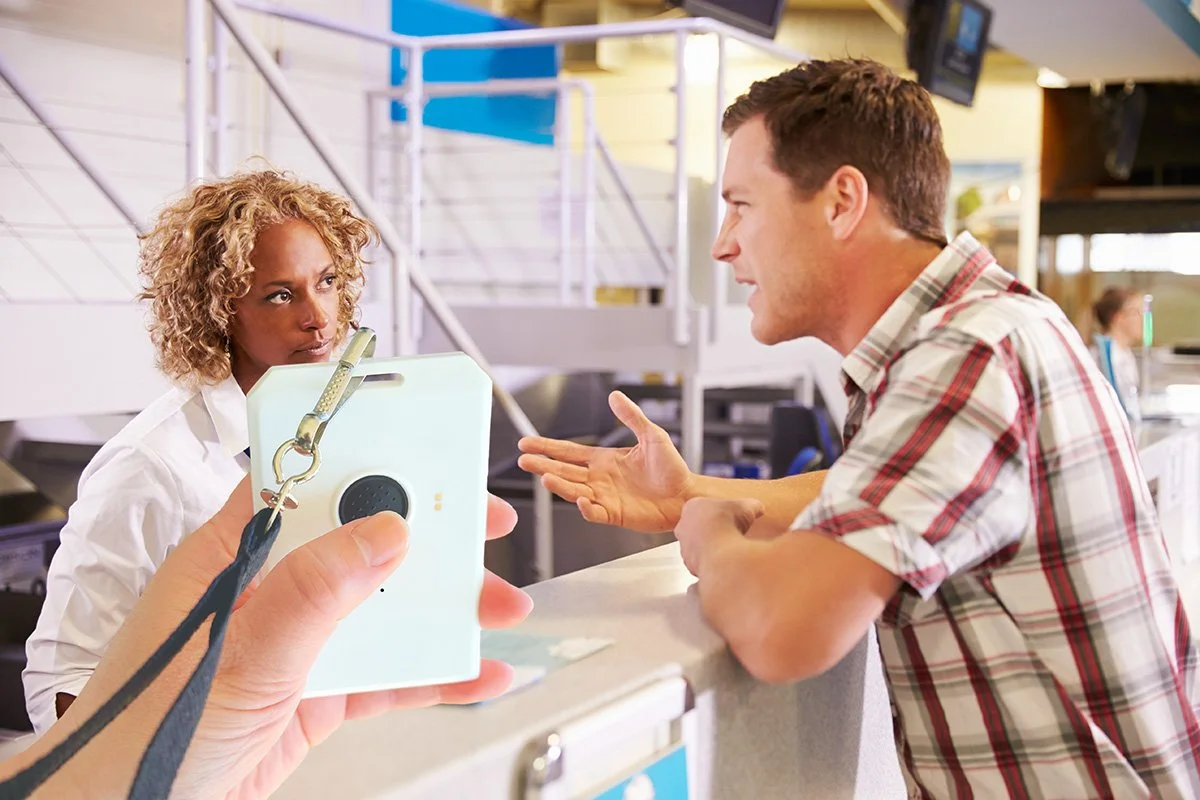
The immediate safety of staff depends on their ability to call for help. Therefore, implementing effective personal safety devices is crucial. These systems should include wearable panic buttons that allow a lone worker to silently trigger an alert, instantly sharing their exact location with security officials.
Alertus’ Personal Duress Badge is a slim, discreet device that can be worn on lanyards or keychains, allowing staff to silently call for help with the press of a button. Upon activation, safety personnel can begin tracking the user’s location, which is critical for lone workers operating in remote areas and without immediate assistance nearby. Paired with the AlertAware® Mobile App, it allows organizations to initiate scheduled and ad hoc wellness check-ins, further supporting the safety of lone healthcare workers and meeting OSHA guidelines. The badge can also be used to launch a system-wide alert through all integrated products, to alert others of an escalating threat. This investment in employee protection plays a key role in reducing their risks while working in unpredictable environments.
5. Master your Response Through Tabletop Exercises
Tabletop exercises are a critical component of emergency preparedness. Healthcare institutions can utilize these meetings to simulate real-world scenarios they’ve faced and assess how they can mitigate risks and improve emergency readiness.
Scenario: A home nurse aid is in their patient’s home and delivers information about their health that is not well-received. The patient’s relative is also present in the home and starts threatening the nurse. The nurse’s phone is in her purse, but she is wearing a duress badge on her lanyard.
The team must ask:
What is the first thing the nurse can try to do to deescalate the situation?
Does the nurse know how to activate the duress badge?
How can we help them to feel empowered to use the badge and call for help.
How can we avoid sending our nurses to volatile environments? (I.e. send two nurses together)

Running through the scenario will help healthcare teams identify gaps in emergency preparedness and determine next steps for improvement. Through the exercise, lone workers receive the support they need to be safe.
Healthcare organizations can significantly enhance their support for lone workers during emergencies by adhering to regulations, assessing risks, implementing panic buttons, and holding tabletop exercises. This empowers employees to call for help when they need it, and demonstrates a commitment to staff well-being, ultimately leading to higher staff morale and reduced turnover.